Wildlife garden with pond
Concept
This concept explores how a garden can be designed to support biodiversity while remaining beautiful and enjoyable to live in. Rather than simply maximising the number of plant species, the design creates a rich mosaic of habitats — providing food, shelter, water and different growing conditions for a wide range of wildlife. The result is a garden designed not just for plants, but for the interconnected life that a healthy garden can support.
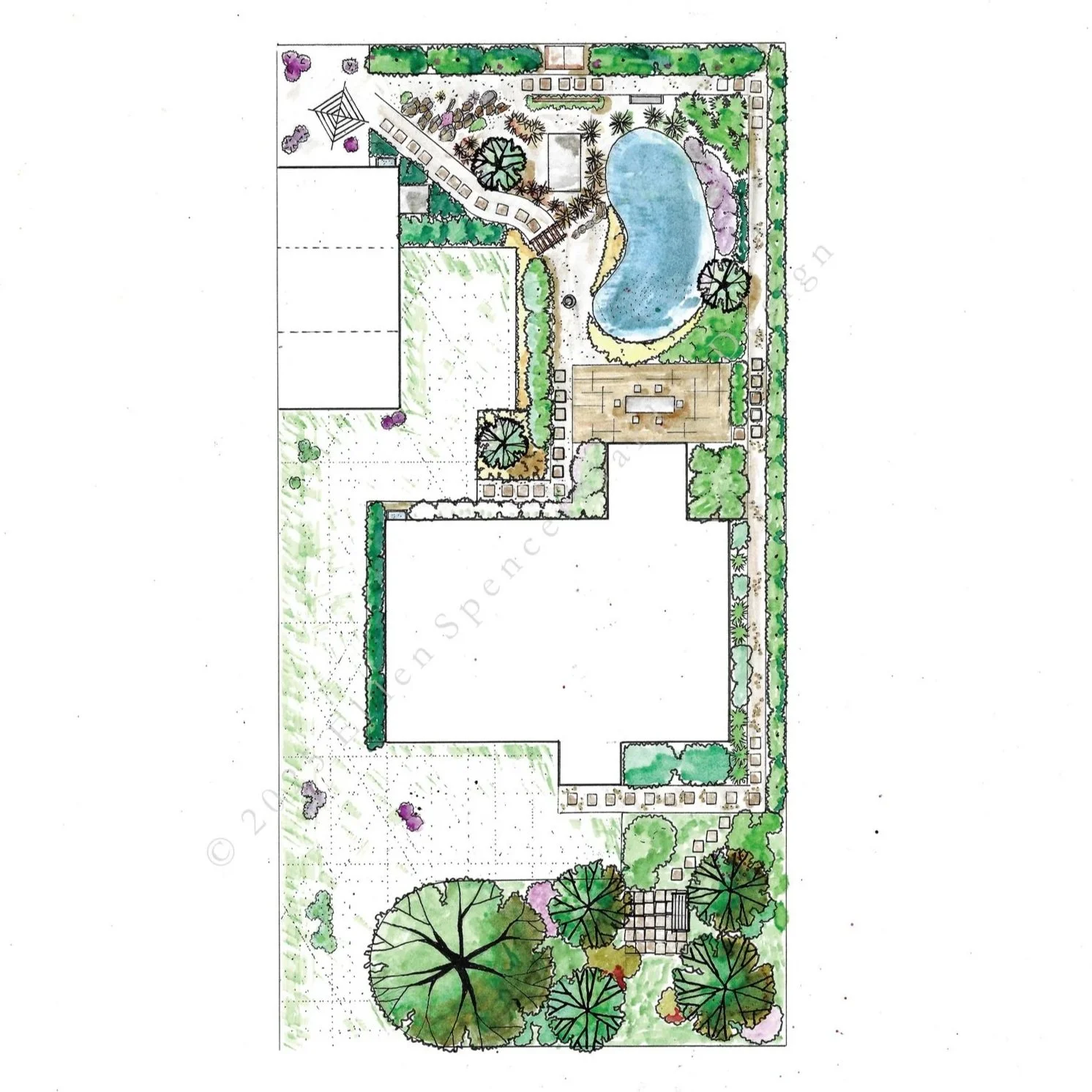
At the heart of the garden is a naturalistic wildlife pond, creating a focal point for both the garden and its ecology. From here, a sequence of different habitats flows through the space, combining carefully considered planting and landscape features to create variety, movement and interest throughout the garden.
The garden is intended to feel immersive and restorative: a place to experience nature at close quarters, while creating the conditions for wildlife to flourish.
Design rationale
The real strength of the design is that biodiversity isn't treated as an add-on. It informs the structure, materials, planting and experience of the whole garden. Each element has been considered for what it contributes — ecologically, visually and practically.
Biodiversity through habitat, not simply plant quantity
A carefully selected palette of plants is combined with woodland, hedgerow, pond, long grass, rockery, log piles, composting and water-harvesting features to create a much broader range of habitats. The aim is to support an interconnected community of insects, birds, amphibians, fungi and other organisms, rather than simply accumulating plant species.
The pond becomes the ecological heart of the garden
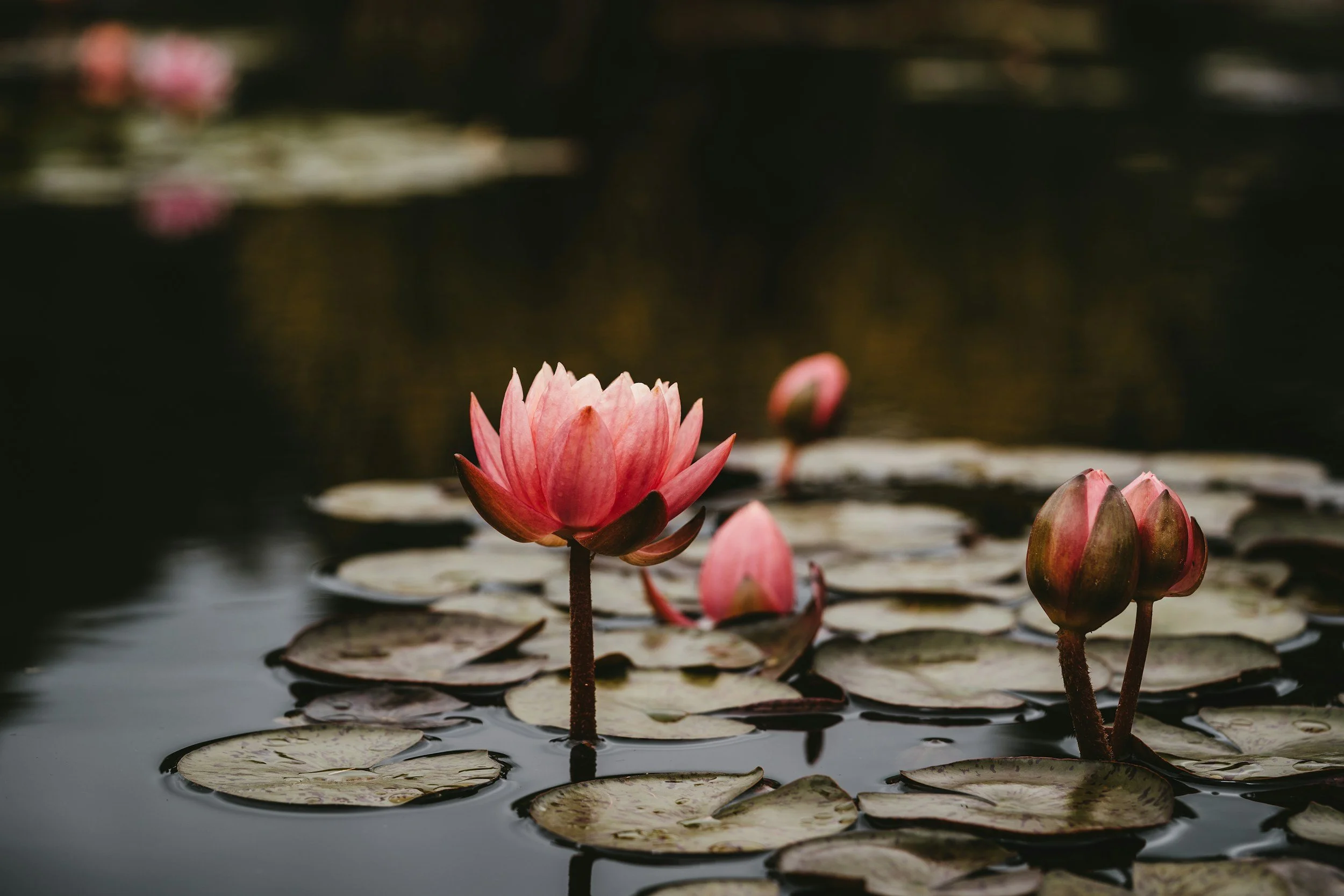
Positioned in the sun and given varying depths for supporting diverse plants, it creates a functioning aquatic ecosystem while also becoming the garden's principal visual focus. The surrounding long-grass and refuge planting extends the habitat beyond the water itself.
Woodland planting creates another distinct ecosystem.
A small copse incorporating the existing tree introduces a cooler, shaded environment with an understorey of shade-tolerant planting and log pile habitats. Rather than treating shade as a limitation, the design turns it into an opportunity for a completely different planting character and environment.
The garden makes productive use of otherwise overlooked spaces.
The driveway is transformed from an impermeable expanse of tarmac into a permeable, planted surface. Gravel paths provide drainage and planting opportunities; stone cracks create sheltered microclimates; log piles provide habitat; and even the compost area becomes part of the garden's ecological system.
Planting is selected for a sequence of ecological benefits
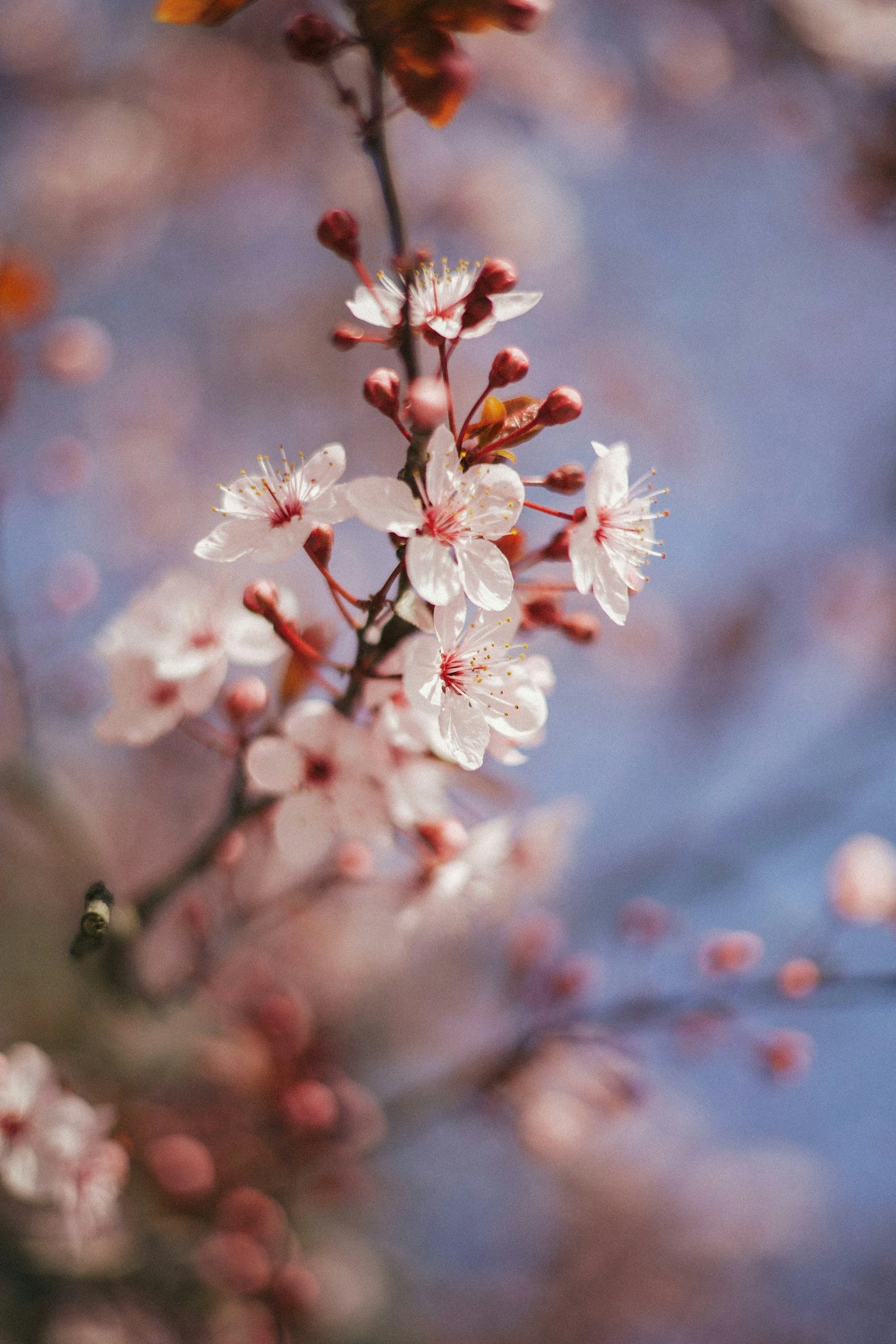
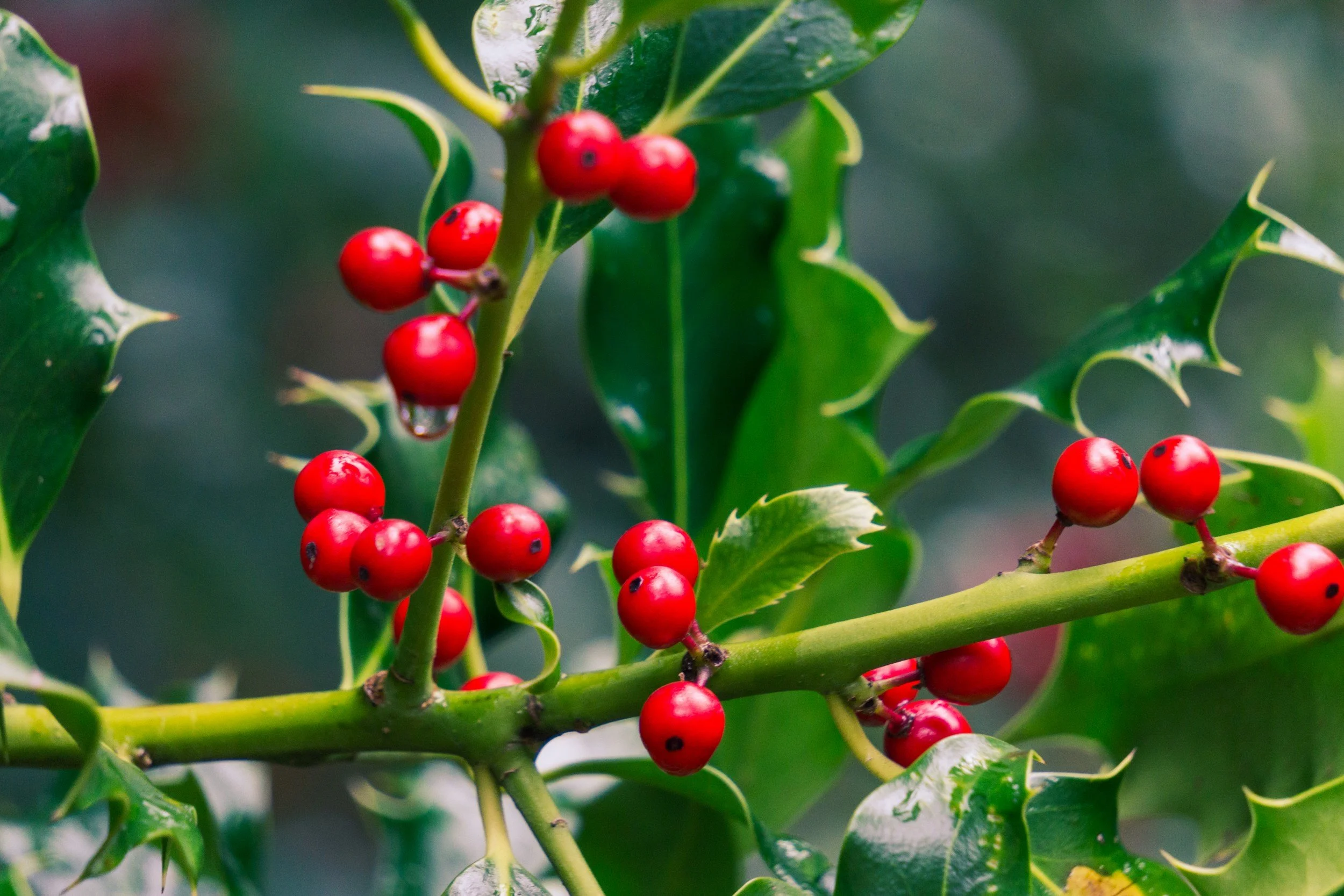
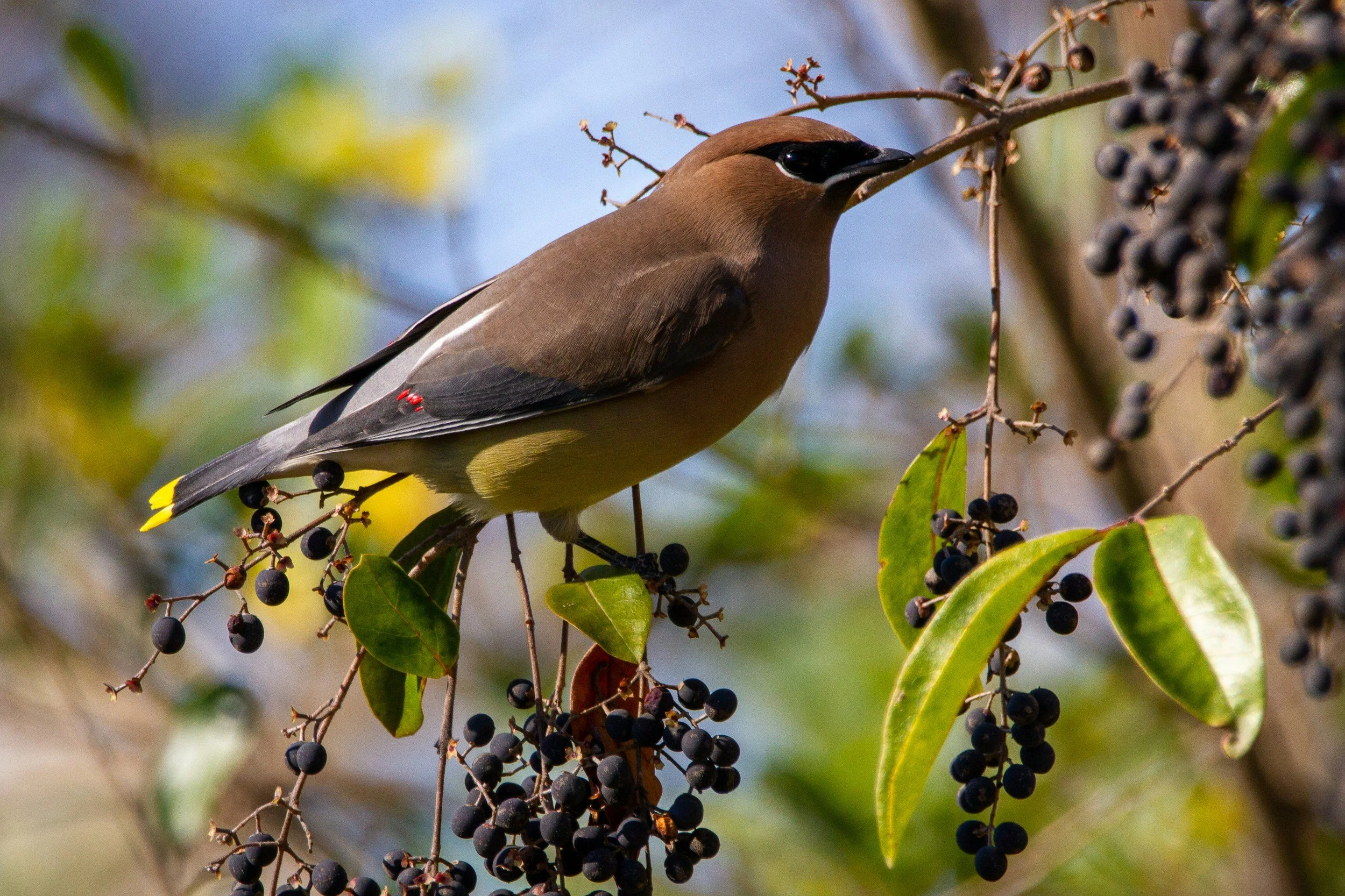
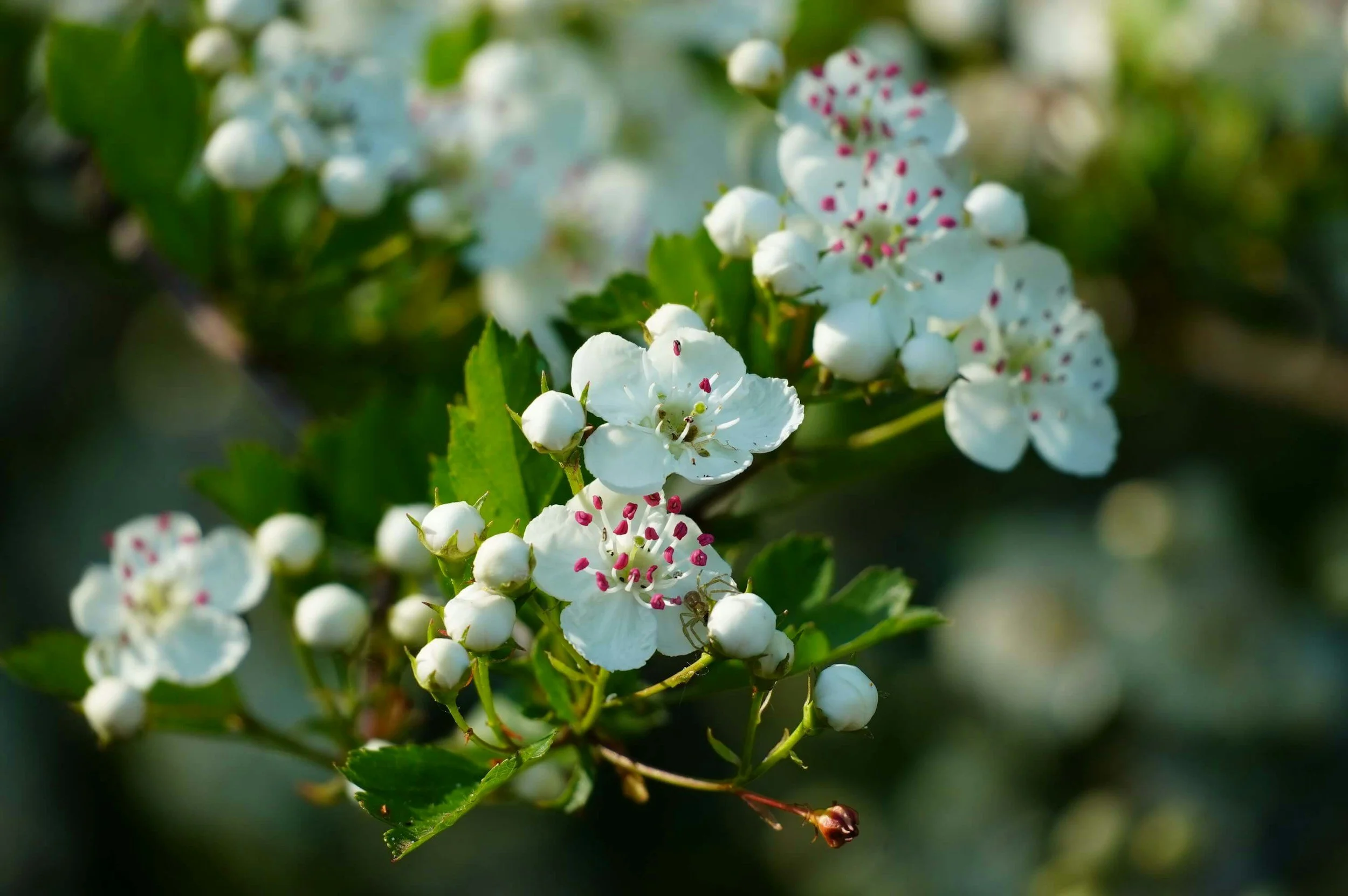
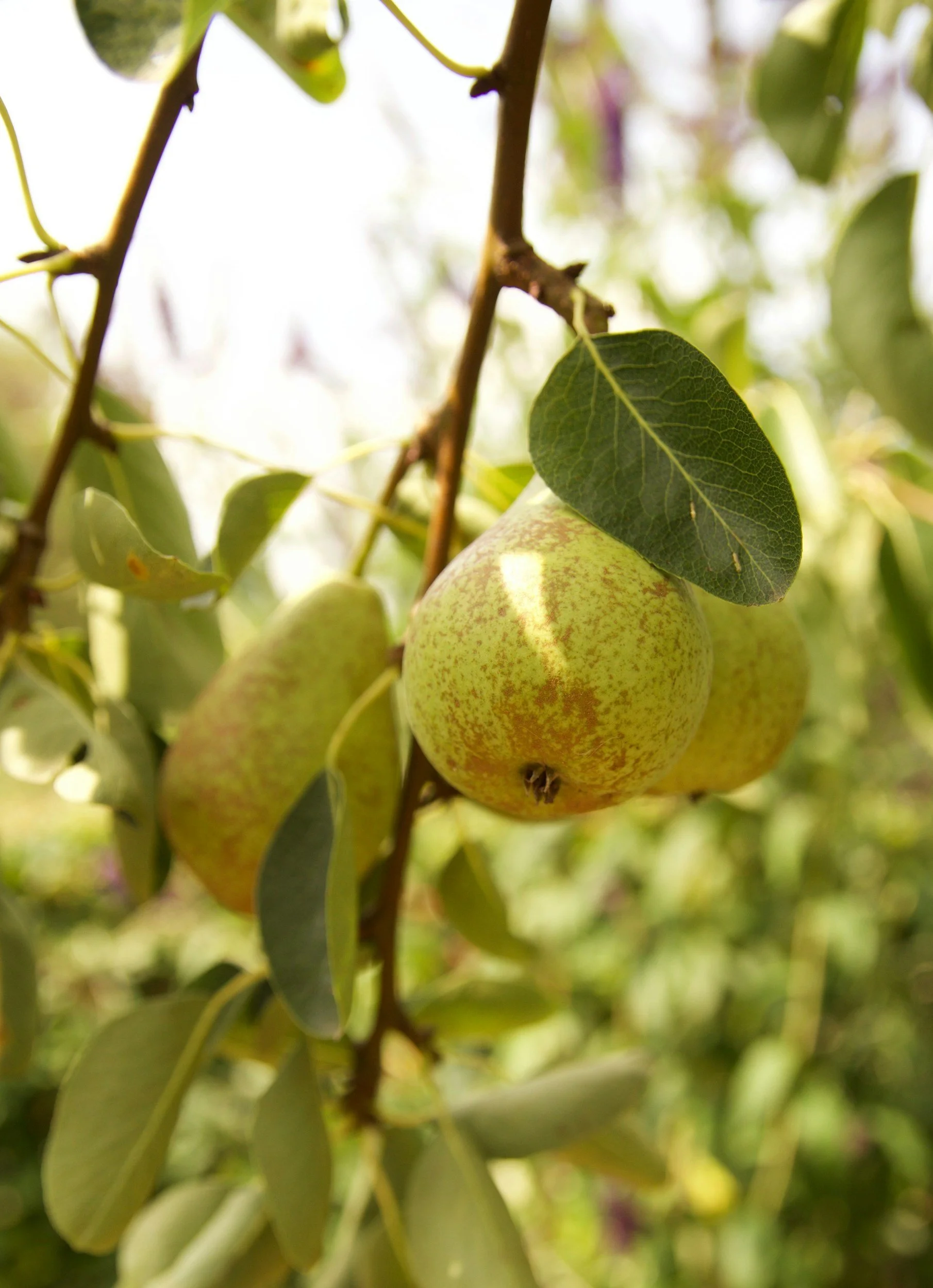
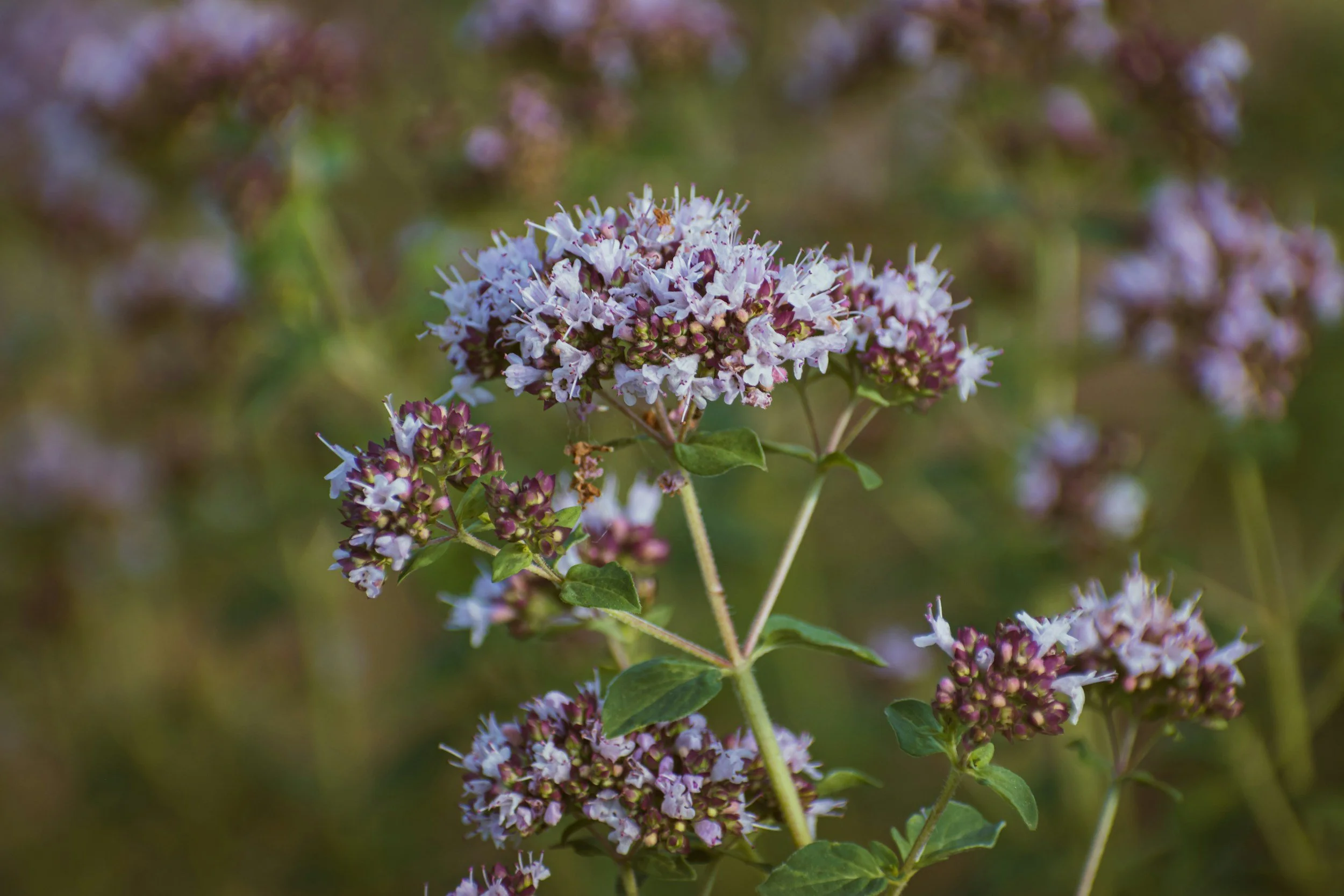
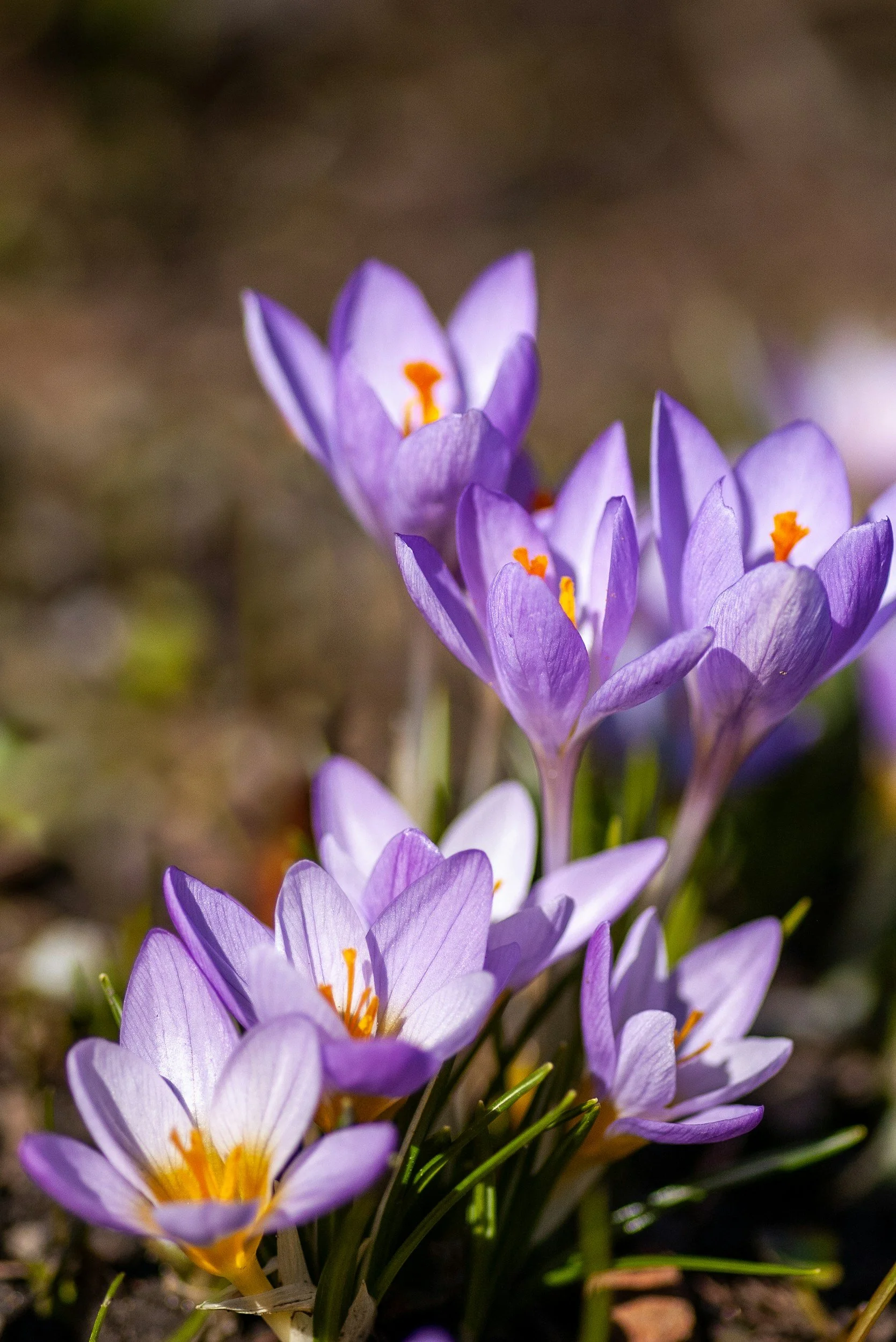
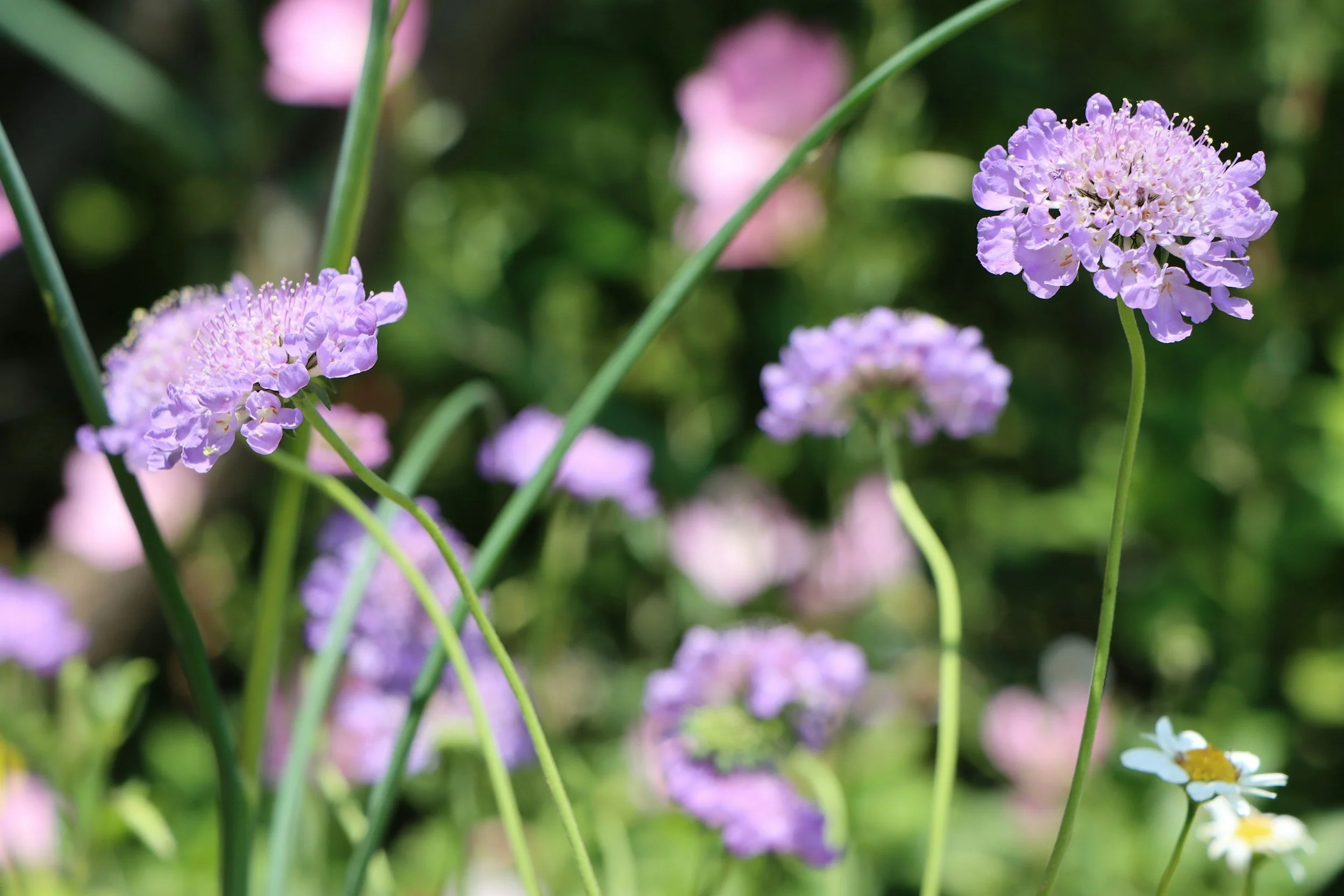
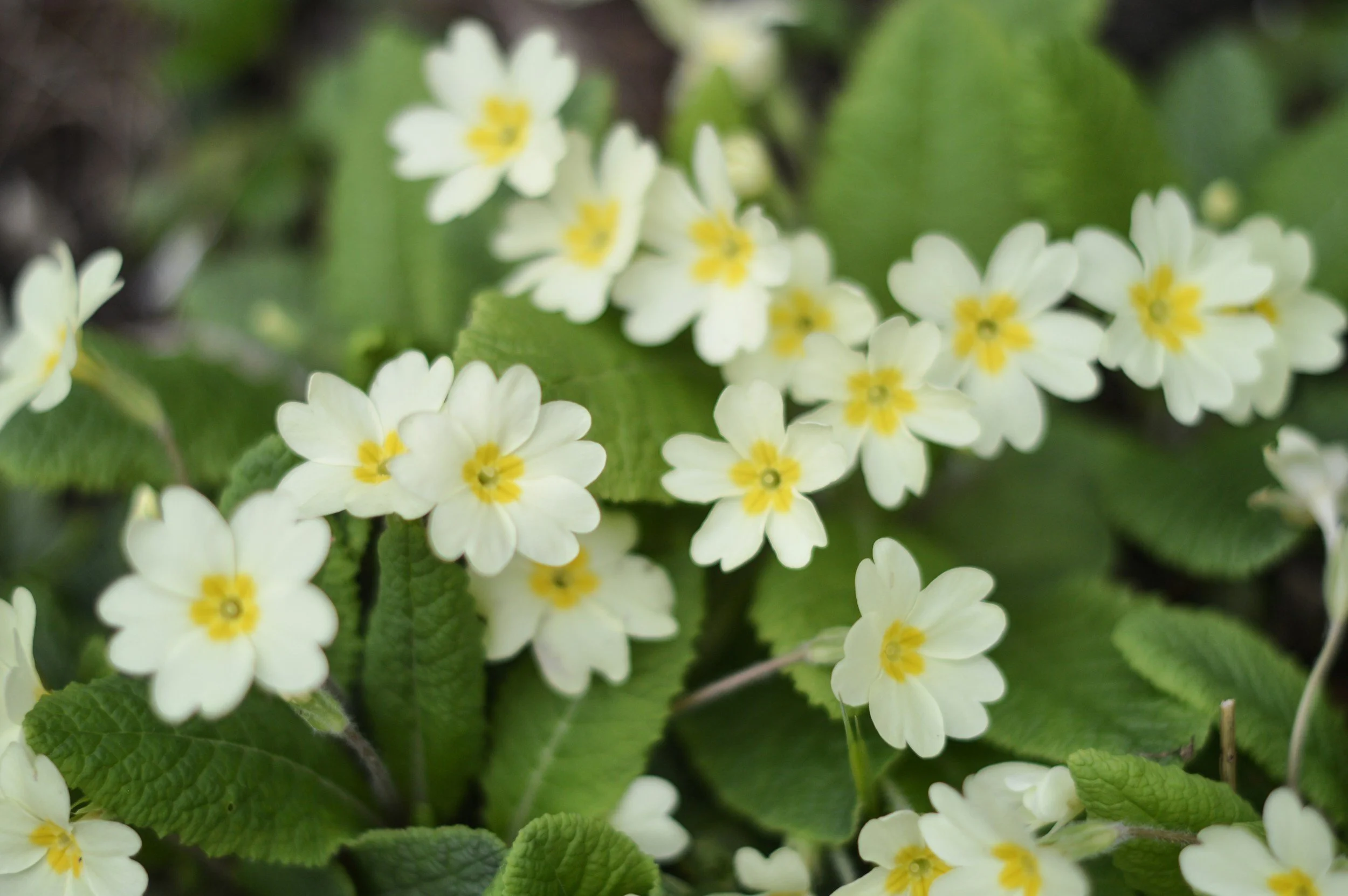
Native trees, hedging and wildflowers provide food and shelter for local wildlife, while carefully chosen ornamental plants extend the availability of flowers, berries and other resources through the seasons. Fruit trees provide blossom, harvest and habitat while simultaneously screening the garage.
The design deliberately embraces some 'untidiness'
Long grass, fallen material, log piles and naturalistic planting are incorporated where they can support wildlife without compromising the overall appearance of the garden. Rather than hiding these ecological processes, the design makes them part of the character of the garden.
Wildlife and human experience are designed together
Ecological features are not relegated to the edges of the garden. The pond, planting, seating, paths and focal points are woven together so that biodiversity becomes something to experience at close quarters. Different seating positions offer changing views, levels of sun and shade, and opportunities to observe the garden's wildlife.
There is a strong visual structure beneath the naturalistic character
Three fastigiate Prunus trees create repetition and height; the sundial establishes a central focal point; the arch frames carefully considered views; and the coloured stems of Cornus provide seasonal structure. The garden can therefore feel abundant and natural without becoming visually chaotic.
The design works across the seasons
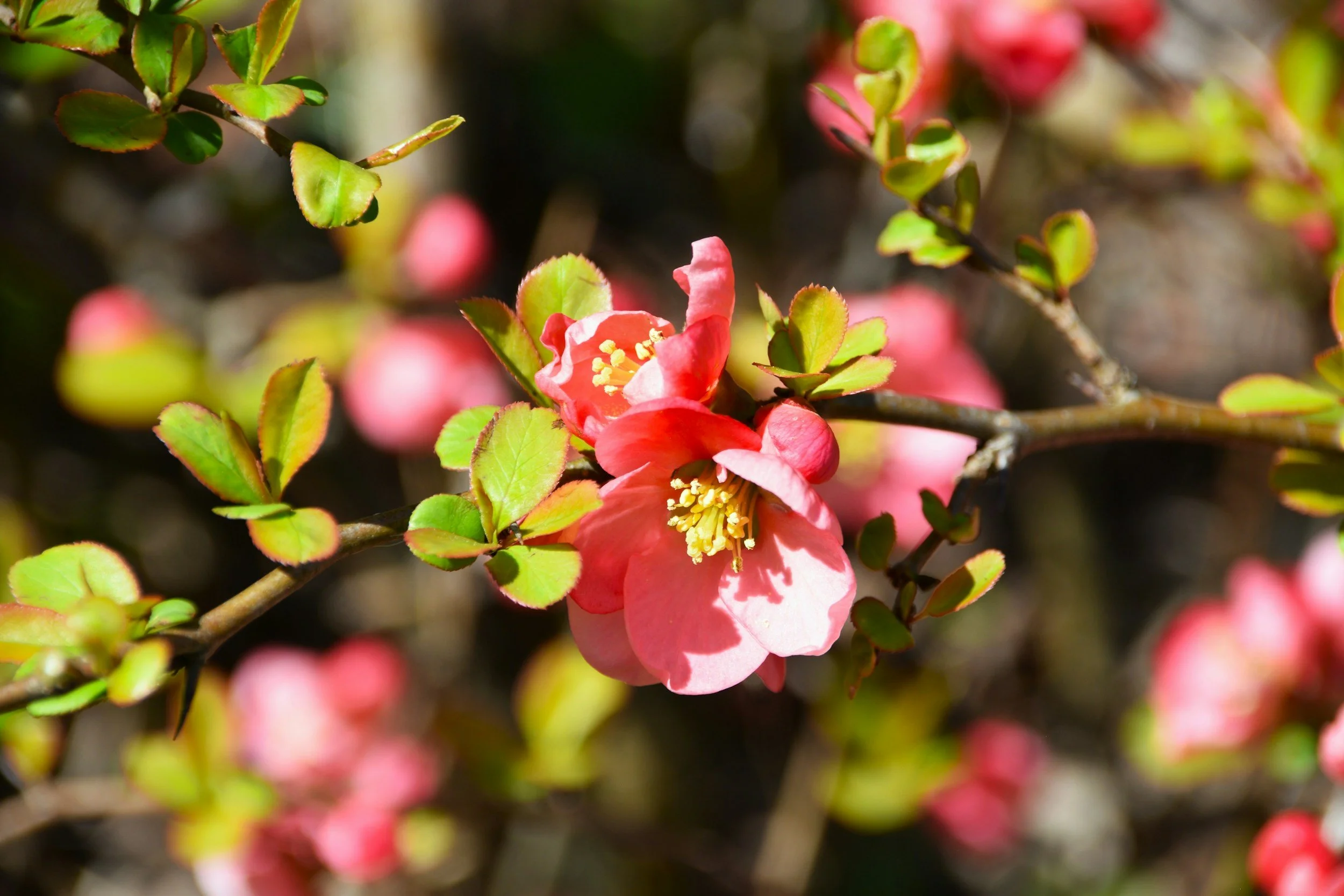
Blossom, berries, autumn colour, winter stems, evergreen structure and persistent seedheads ensure that both wildlife and people have reasons to engage with the garden throughout the year. Even the stonework and sundial are intended to mature and weather naturally, becoming part of the garden's character over time.
Small interventions have multiple benefits
Nesting boxes provide habitat while making use of the existing mature tree. Rainwater is captured in dipping tanks that are both practical and ecologically useful. Composting recycles garden material while returning organic matter to the soil. Local stone provides structure for alpine planting while creating additional crevices and microhabitats.
Practical requirements are absorbed rather than disguised
Parking, garage access, clothes drying, composting, water collection and routes through the garden remain fully functional, but are integrated into the landscape rather than treated as separate utility areas. The result is a garden that works hard without feeling utilitarian.
Even the hard landscaping contributes to the ecological strategy
Permeable surfaces allow rainwater to infiltrate rather than being shed from the garden, while gaps between paving and planted areas create opportunities for natural colonisation. The combination of gravel, local stone and planted surfaces provides a varied ground layer rather than one continuous impermeable surface.
The garden is designed to encourage natural cycles
Water is harvested, garden waste is composted and organic material is retained as habitat. Planting is selected to support pollinators and predatory insects, helping to establish a more balanced ecosystem and reducing reliance on artificial inputs.
Ultimately, the design is about making every square metre work harder: for wildlife, for the environment, and for the person using the garden. The result is a biodiverse and restorative garden in which ecological function, practical use and visual composition reinforce one another rather than compete.